Ten Witnesses, All Alike
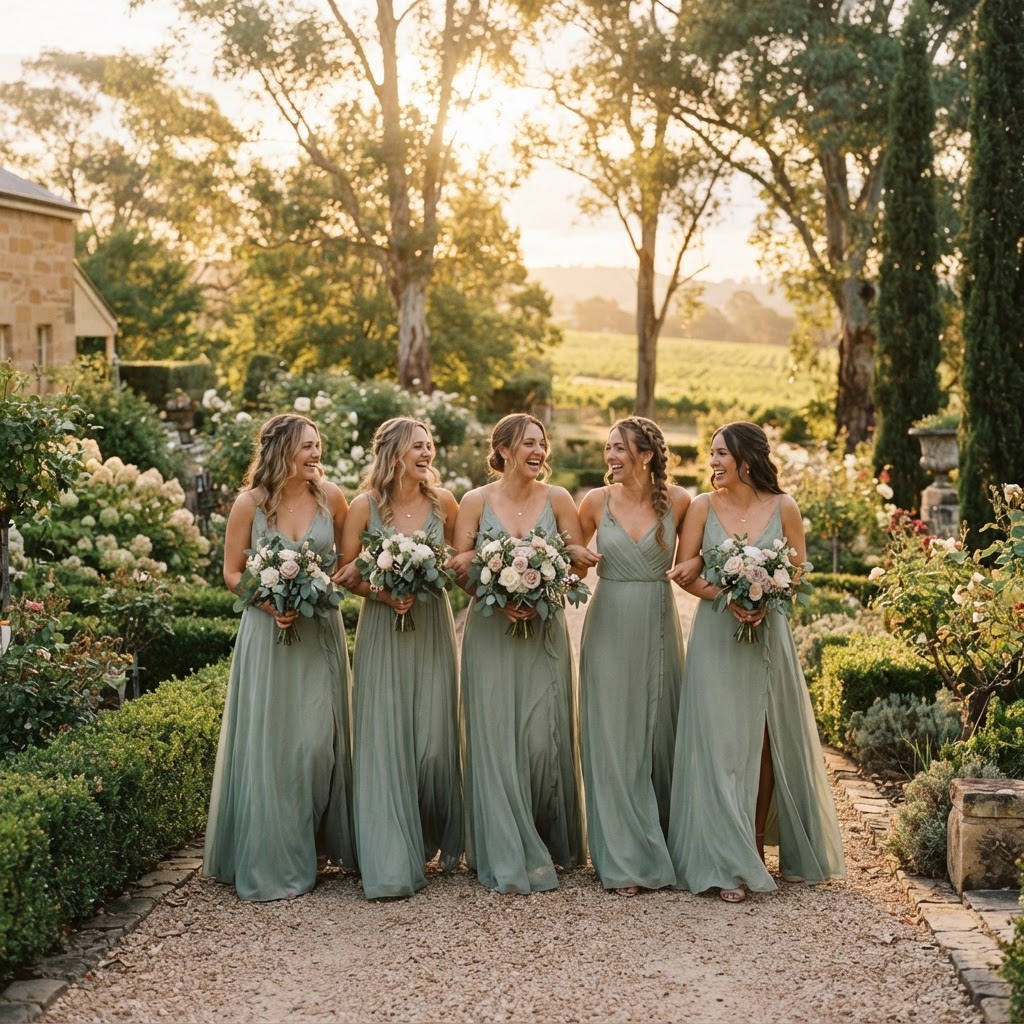
Roman law required ten witnesses at a wedding, and those witnesses were expected to dress identically to the bride and groom. The reason was not aesthetic. It was defensive. Evil spirits — or, in some readings, jealous rivals or vengeful suitors — were believed to attend weddings to curse or disrupt the union. If the bride was indistinguishable from her attendants, the spirits could not identify which woman to target.
The matching dresses were camouflage. The bridesmaids were decoys.
The Veil as the Final Disguise
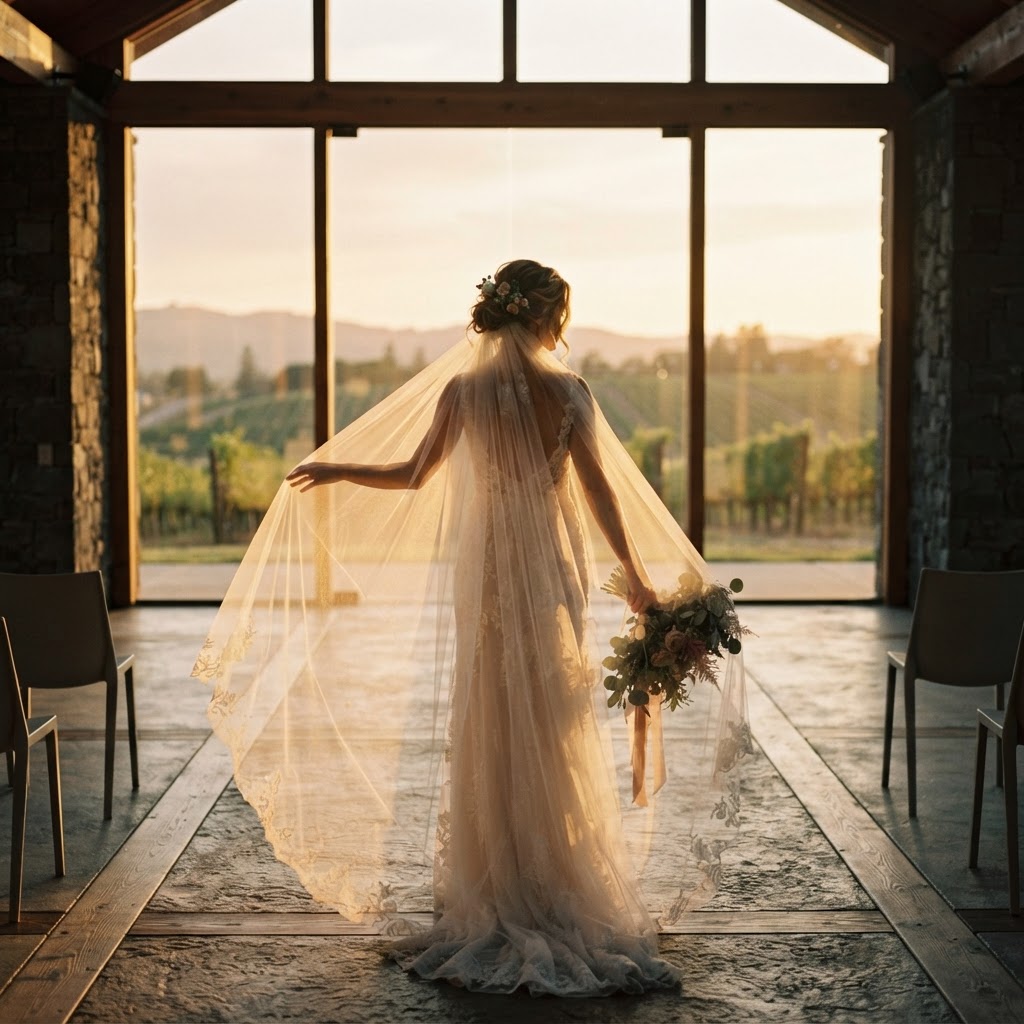
The bridal veil served the same purpose. In several ancient traditions, the bride's face was covered until the ceremony was complete — not for modesty or mystery, but so that no malicious spirit could fix its attention on the bride before the union was sealed. The veil and the matching attendants worked together: a group of identically dressed women, one of them veiled, and the spirits left to guess.
The Dresses Remain, the Spirits Don't
The belief in wedding-crashing spirits has faded. The matching dresses have not. Today's bridesmaids wear coordinated colours and styles as a celebration of the bride's community — her closest friends standing with her, visually united. But the origin of the uniform is written into the very word: these women were not a decorative party. They were a protective circle.
The next time you see a line of bridesmaids in identical dresses, you're looking at a formation that began as a shield.