The Warrior Beside the Groom
The best man's role begins in the tribal communities of early medieval Europe — among the Germanic peoples of the continent and the clans of the Scottish Highlands. In those communities, marriage was often a practical matter of alliance, territory, and sometimes capture. A man who wished to marry might need to take a bride from a neighbouring clan, and that meant going to get her.
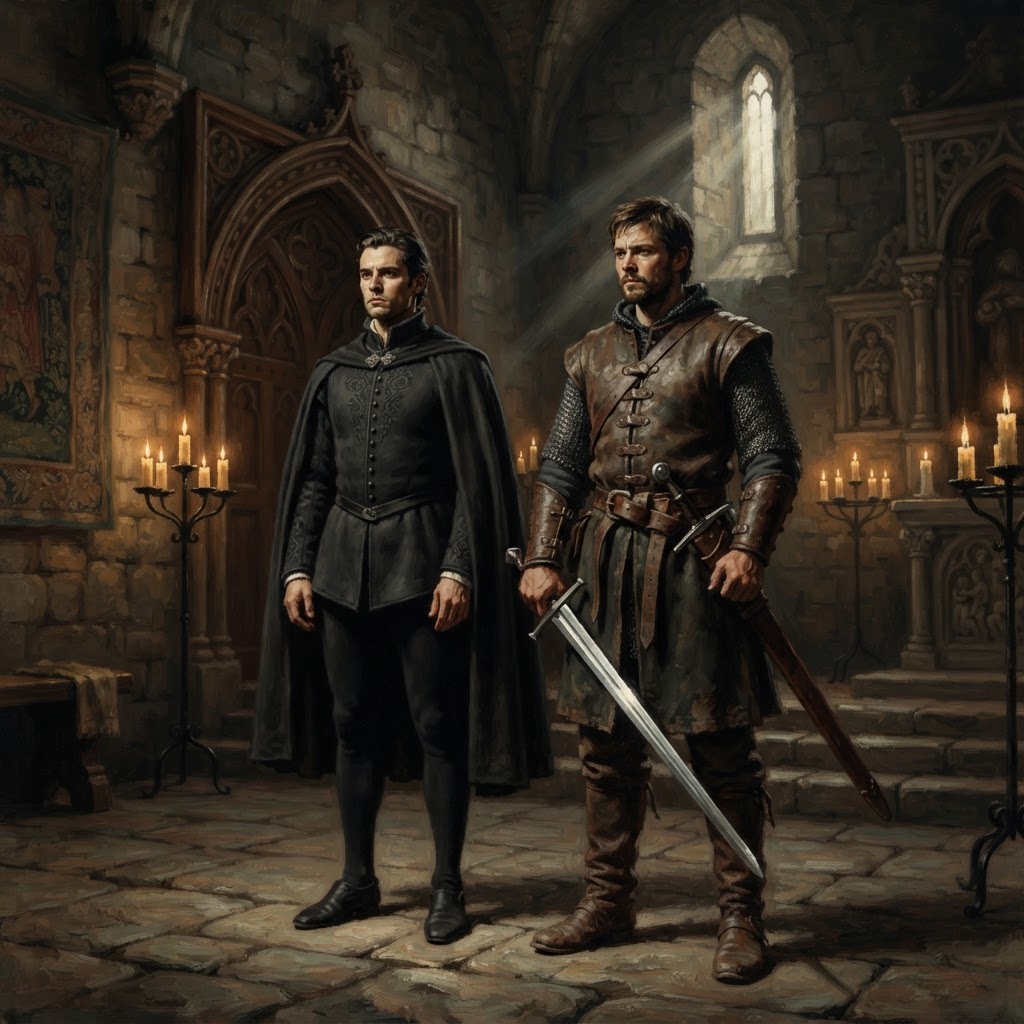
The groom chose his strongest, most capable warrior — his "best man" — to accompany him on this mission. The best man's job was to help the groom capture the bride and, more critically, to defend the couple against the bride's family, who might attempt to take her back by force.
Standing Armed at the Altar
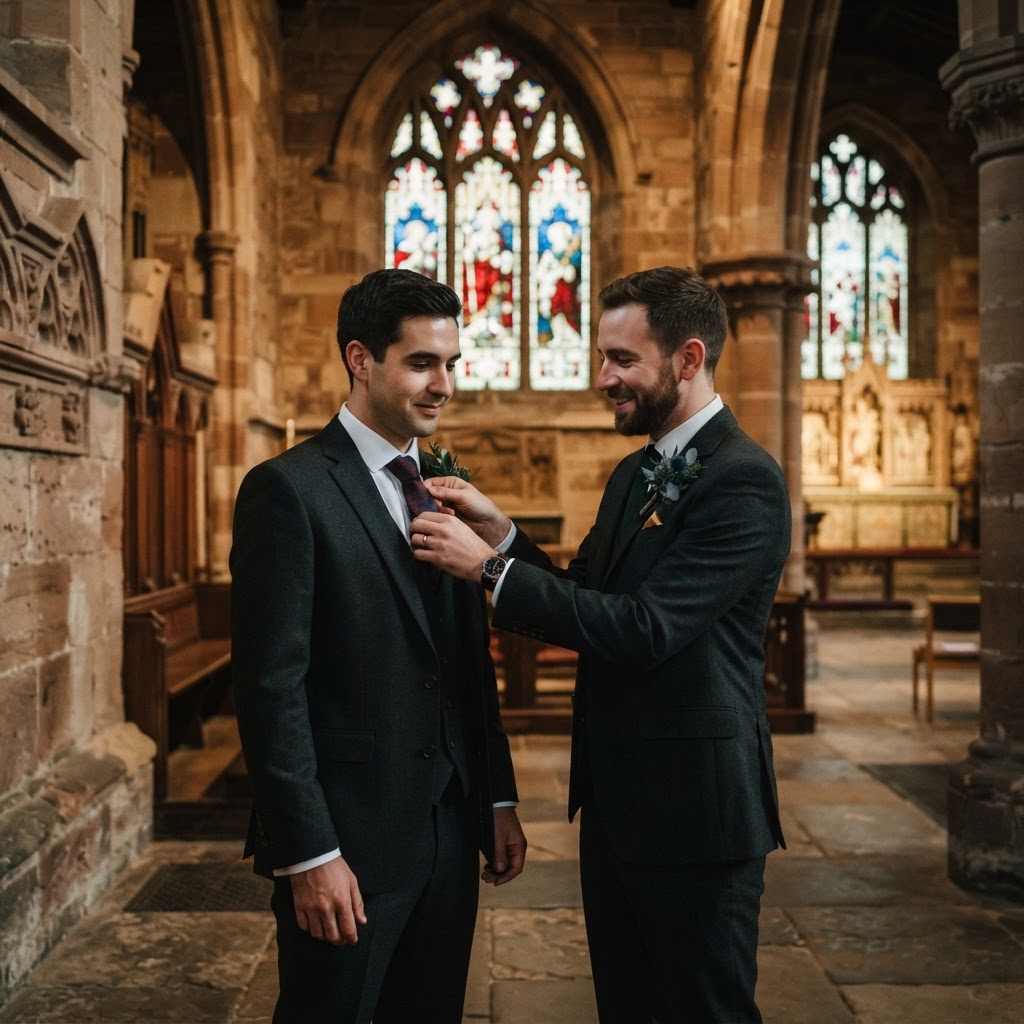
This is why the best man traditionally stands to the groom's right at the ceremony. A right-handed warrior's sword hung on his left hip, drawn with the right hand — standing to the groom's right meant the best man could draw his blade instantly if the bride's family stormed the ceremony. He was not an honour attendant. He was a bodyguard.
The tradition of the best man keeping the rings? That, too, is a remnant of his original role — he was the one trusted with the most valuable items, because he was the one most capable of defending them.
From Sword to Speech
The sword is long gone. The best man's role has softened into speeches, rings, and shepherding the groom through the day. But the core of the position — the person the groom trusts most to stand beside him at a threshold moment — is unchanged. The best man was, and remains, the one person the groom wants at his right hand when everything is on the line.